Technology touches nearly every second of modern life—phones, computers, apps, and invisible systems powering everything from communication to commerce. But beyond convenience, it has reshaped how humans connect, work, learn, and think. Understanding this transformation lets us use technology deliberately—to reclaim time, improve focus, and live more intentionally.
What is Technology?
Technology is the practical application of scientific knowledge to create tools, systems, and devices that solve problems or make life easier. It includes everything from simple inventions like the wheel and the plow to modern innovations such as computers, smartphones, and artificial intelligence.
The history of technology stretches back to early human civilization, beginning with
stone tools and fire. Over time came the Agricultural Revolution, which introduced farming tools; the Industrial Revolution, which brought machines and factories; and the Digital Revolution, which transformed communication and information through computers and the internet. Today, technology continues to evolve rapidly, shaping nearly every aspect of modern life—from medicine and education to transportation and entertainment.
More Connected Than You Realize
From the moment you wake up, technology is there: alarms, weather apps, coffee makers, and emails before your feet touch the floor. By 8 AM, you’ve interacted with technology dozens of times—mostly unconsciously. It’s no longer a novelty; it’s the infrastructure of life. Yet this seamless integration raises a crucial question: Are we controlling our tools, or are they controlling us?
This guide explores how technology influences daily life, why it matters, and how to make it serve rather than consume you.
The Invisible Thread of Modern Life
Two decades ago, technology was something you used. Now, it’s something you live through. GPS directs us, delivery apps feed us, and streaming entertains us. Technology is no longer an accessory—it’s a decision-making system we rely on constantly.
Nearly 97% of Americans own a cellphone, and the average person checks theirs 144 times a day. We don’t just use technology; we converse with it continuously. Each small innovation—emails, texts, video calls—seemed minor on its own, but collectively they rewired how humans interact with the world.
Your Morning, Digitally Engineered
Your relationship with technology begins before you’re fully awake. Smart alarms track your sleep cycles, thermostats adjust the room temperature, and calendar apps prioritize your tasks. Smart mirrors display news while you brush your teeth; voice assistants summarize your schedule.
What’s remarkable isn’t the existence of these systems—it’s how ordinary they’ve become. We’ve quietly outsourced memory, planning, and awareness to digital assistants. Only when a phone dies or Wi-Fi fails do we realize how dependent we are on them.
The Work Revolution: Your Office in Your Pocket
If technology reshaped mornings, it revolutionized work. The cubicle office is fading; remote work is the new normal. Platforms like Zoom and Teams erased geography, while cloud tools made collaboration borderless. A Stanford study found remote workers 13% more productive than office peers—proof that digital systems boost efficiency and redefine what “workplace” means.
Technology also democratized opportunity. A designer in Ohio can work with clients in Tokyo; a coder in Kenya can contribute to Silicon Valley projects. Yet when work fits in your pocket, boundaries vanish. Midnight emails and constant pings blur personal life. The same tools that freed us can tether us—balance now requires conscious discipline.
Learning Without Walls
Technology revolutionized education as profoundly as work. Classrooms are no longer confined by walls or textbooks. A child with a tablet can access global knowledge instantly. Platforms like Khan Academy, Coursera, and YouTube make high-quality education universally available.
Students now learn not by memorizing facts but by finding, filtering, and understanding information. A rural teenager can study astrophysics from MIT, and adults can reskill through free online bootcamps. Yet this access brings new challenges: distraction, misinformation, and the need for digital literacy. The device that empowers learning also tempts with endless entertainment.
The Social Connection Paradox
Technology promised connection but often delivered paradox. Social platforms let us stay in touch across continents, build communities, and share lives in real time. Yet research shows that heavy social media users often feel more isolated.
Online communication lacks the nuances—tone, touch, presence—that make relationships deep. Highlight-reel culture fosters comparison and insecurity. The dopamine rush from likes and shares can create shallow validation cycles. Still, technology also forges meaningful ties: video calls preserved families through pandemics, support groups helped people heal, and dating apps united millions.
The truth lies between extremes. Technology doesn’t destroy relationships—it magnifies how we use it. Following someone online isn’t the same as showing up in real life.
Digital Health: Your Body’s New Partner
Wearable tech turned health into a daily practice rather than occasional doctor visits. Smartwatches track heart rate, sleep, and oxygen levels. Apps monitor glucose, detect arrhythmias, and guide meditation. Millions credit devices like Apple Watch for alerting them to life-threatening conditions.
Technology makes wellness measurable, but sometimes obsessively so. Constant tracking can cause anxiety, and health data raises privacy concerns when employers or insurers seek access. Telemedicine has expanded care to remote areas, yet some medical needs still demand hands-on attention. Technology can support—but never replace—human care and intuition.
Entertainment Reinvented
Streaming platforms erased the idea of scheduled TV. We now watch what we want, when we want. Gaming evolved into global communities and competitive arenas. Esports draw stadium crowds, while platforms like Twitch and TikTok blur the line between audience and creator.
Music and podcast streaming put the world’s audio library in every pocket. The result: democratized creativity. Anyone with a smartphone can film, record, and publish to a worldwide audience.
But abundance brings overload. Infinite choices cause decision fatigue, and recommendation algorithms can trap us in content bubbles. The same tools that empower creativity can also fuel addiction and passive consumption. Technology has turned entertainment into both art form and algorithmic experiment.
When Tech Becomes Too Much
The digital age introduced a new kind of exhaustion. Overflowing inboxes, endless notifications, and constant switching between apps fracture focus. Knowledge workers change screens or tasks over a thousand times a day. This perpetual partial attention diminishes productivity and creativity.
“Zoom fatigue” exemplifies this. Video calls require continuous eye contact and self-monitoring, which drains the brain faster than in-person conversation. Many people experience anxiety when separated from their phones—what researchers call nomophobia.
The antidote isn’t withdrawal but boundary setting. Digital wellness means reclaiming control: silencing non-essential alerts, designating phone-free hours, and creating physical spaces where technology doesn’t intrude. Tools serve best when we remember we’re their masters, not their servants.
The Future Now: AI and Automation
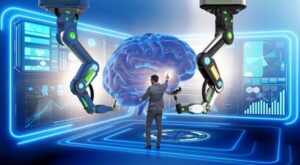
Emerging technologies—AI, robotics, automation—are redefining life even faster. Artificial intelligence now writes essays, assists doctors, and drives cars. ChatGPT, autonomous vehicles, and diagnostic algorithms show that machine capability has crossed into domains once thought uniquely human.
Automation also transforms labor. Self-checkouts replace cashiers; algorithms handle logistics and customer service. Experts predict that up to 30% of current jobs could change or disappear due to automation within the next decade.
Yet every wave of innovation births new industries. The smartphone economy, nonexistent 20 years ago, now employs millions. Renewable energy, app development, and digital content creation show how technology destroys old work but invents
new opportunity. The challenge is ensuring progress serves people—not just efficiency or profit.
Making Technology Work for You
Knowledge matters only when applied. To make technology your ally, practice intentionality:
- Set boundaries. Designate phone-free spaces—like bedrooms and dinner tables—and times, such as mornings and evenings.
2. Audit usage. Review screen-time reports honestly. Remove apps that drain attention without value.
3. Use tech for purpose. Productivity, health, and learning apps can amplify goals—but only when used mindfully.
4. Protect focus. Turn off notifications during deep work. Attention is your most valuable resource.
5. Prioritize human contact. Digital connection is convenient; in-person connection is irreplaceable.
6. Practice digital sabbaths. Schedule hours or days free from devices to reset.
7. Teach digital literacy. Model balanced tech use for children and discuss its benefits and risks openly.
Frequently Asked Questions
How has technology changed daily routines?
It removed friction from nearly every task—navigation, communication, scheduling—outsourcing memory and planning to devices. We now think with technology as much as through it.
What are the negative effects of overuse?
Excessive tech use disrupts sleep, increases anxiety, shortens attention spans, and weakens in-person relationships. Balance, not avoidance, is the goal.
Can we live without it?
Modern life depends on digital systems for banking, healthcare, and education. While you can survive offline, doing so limits participation in society. Maintaining some analog skills, however, builds resilience when tech fails.
How does technology improve life quality?
Through medical breakthroughs, global communication, access to education, and efficiency that frees time for creativity and rest—if used intentionally.
Is it making us less social?
It allows more connections but often shallower ones. Face-to-face interaction still provides deeper emotional satisfaction.
What role will technology play next?
AI, automation, and augmented reality will further blend the digital and physical. The key question is whether we’ll guide these tools ethically toward inclusion, privacy, and wellbeing.
The Relationship You Choose
Technology’s role in daily life isn’t fixed—it’s sculpted by choice. Each decision to check your phone, silence a notification, or engage meaningfully defines your relationship with it.
Technology isn’t hero or villain—it’s a mirror reflecting human intention. The same smartphone that fuels distraction can also teach languages, launch businesses, or connect loved ones. The difference lies in purpose.
The most fulfilled users aren’t those with the newest gadgets but those who wield technology consciously—aligning it with their values and goals. Every intentional act—turning off alerts, scheduling rest, deleting an unhelpful app—reclaims autonomy from the digital current pulling at our attention.
Conclusion: Shaping a Human Future in a Digital World
Technology will only grow more pervasive—smarter homes, wearable AI, seamless automation. But the heart of this evolution must remain human. Progress measured only in efficiency risks hollowing out what makes life meaningful: connection, creativity, empathy, and rest.
Our task isn’t to resist technology but to humanize it—to design and use tools that serve dignity, curiosity, and compassion. Each of us plays a role in that design through our daily choices.
So pause before the next scroll, click, or notification. Ask: Is this helping me live the life I want?
In that moment of awareness lies the power to reclaim control. Because the real future of technology isn’t about smarter machines—it’s about wiser humans.